









Masechet Chullin is sponsored by Judi Felber in honor of the Hadran Community. “During my first cycle of Daf Yomi, just as we began Masechet Chullin, my son was injured while serving in the IDF. Throughout those two and a half months of difficulty and uncertainty, my fellow learners never left my side. With profound gratitude to the community that held me, encouraged me, and ensured I could keep up with the Daf during those trying times.”
This month’s learning is sponsored by Jonathan Loring in honor of his wife, Leah Ackner and their children Zev and Meira. “From the first day I met my wife in Hebrew class at JTS to watching her show kindness when we volunteered together to help those in need and even when I had to wait 9 years for a first date, my wife has always been an inspiration to me and everyone she meets. Thank you for these 20 years and B’Ezrat Hashem to many more! I love you wifesy.”
This month’s learning is dedicated for a refuah shleima for Pesha Etel bat Sarah
Want to dedicate learning? Get started here:

Summary

The Mishna states that the four physiological signs of a kosher bird are not explicitly detailed in the Torah, but are instead established by the Sages. The Gemara challenges this assertion based on a braita, which indicates that these kosher indicators are actually derived through a comparison of the anatomical details of each type of bird—specifically evaluating the characteristics of the nesher (griffin vulture), which is listed as non-kosher, against those of the tor (turtledove), which is known to be kosher due to its role in sacrificial offerings. Abaye resolves this difficulty by explaining that the analytical comparison of the physical details between the tor and the nesher outlined in the braita is precisely the methodology employed by the Sages to formulate and define these diagnostic signs.
Rabbi Chiya introduces a braita asserting that a bird possessing even a single kosher sign is permitted, based on the premise that only a bird structurally identical to the nesher—which lacks all four signs—is fundamentally excluded, along with the other non-kosher species explicitly enumerated in the Torah. The Gemara raises a difficulty, noting that one could argue the exact inverse: using the tor as the absolute paradigm, one could deduce that a bird is kosher only if it possesses all four signs. Since the other non-kosher birds listed in the Torah possess either one, two, or three kosher signs, the Gemara resolves the difficulty by explaining that if all four signs were universally required to render a bird kosher, there would be no logical necessity for the Torah to detail the other twenty-three non-kosher species, as their status as non-kosher would already be self-evident.
The Gemara then proceeds with a series of analytical queries, asking why the halakhic paradigm should not be derived from those forbidden birds that possess three signs, two signs, or one sign, respectively. In each instance, the Gemara answers using a redundant-case logic: if any of those categories served as the baseline paradigm, the Torah would have had no need to explicitly list the remaining forbidden species that possess fewer kosher signs (simanim).
The premise of the final query assumes that the peres and ozniyah (birds possessing a single kosher sign) could have established a binding paradigm were it not for the counter-example of the nesher. The Gemara immediately questions this, invoking the hermeneutical rule that two biblical verses teaching the same law cannot serve as a general paradigm (shnei ketuvim haba’im k’echad). Since both the peres and ozniyah share the same baseline characteristics, how could it be suggested that they form a general rule? The Gemara answers that they represent two distinct halakhic categories; one of them is completely unique because, within the entire biblical list of non-kosher birds, it is the sole species that possesses a specific, distinct kosher sign not found in any of the others.
In conclusion, the ultimate paradigm is the nesher (representing the principle that a bird is kosher unless it shares all the forbidden traits of the listed species), and we do not derive the rule from the tor. The tor (with all four kosher signs) is explicitly mentioned in the Torah solely to indicate its validity for sacrifices, rather than to serve as a universal archetype for kosher birds.
Today’s daily daf tools:
Masechet Chullin is sponsored by Judi Felber in honor of the Hadran Community. “During my first cycle of Daf Yomi, just as we began Masechet Chullin, my son was injured while serving in the IDF. Throughout those two and a half months of difficulty and uncertainty, my fellow learners never left my side. With profound gratitude to the community that held me, encouraged me, and ensured I could keep up with the Daf during those trying times.”
This month’s learning is sponsored by Jonathan Loring in honor of his wife, Leah Ackner and their children Zev and Meira. “From the first day I met my wife in Hebrew class at JTS to watching her show kindness when we volunteered together to help those in need and even when I had to wait 9 years for a first date, my wife has always been an inspiration to me and everyone she meets. Thank you for these 20 years and B’Ezrat Hashem to many more! I love you wifesy.”
This month’s learning is dedicated for a refuah shleima for Pesha Etel bat Sarah
Today’s daf is sponsored by Dina Kaufman in honor of the pidyon haben of their grandson, Ilan Yishai, son of Elisheva and Janiw Palacchi, taking place today in Tel Aviv.
Chullin 61
מָה נֶשֶׁר מְיוּחָד שֶׁאֵין לוֹ אֶצְבַּע יְתֵרָה וְזֶפֶק וְאֵין קוּרְקְבָנוֹ נִקְלָף וְדוֹרֵס וְאוֹכֵל – טָמֵא, אַף כׇּל כַּיּוֹצֵא בּוֹ – טָמֵא. תּוֹרִין שֶׁיֵּשׁ לָהֶן אֶצְבַּע יְתֵרָה וְזֶפֶק וְקוּרְקְבָן נִקְלָף וְאֵין דּוֹרְסִין וְאוֹכְלִין – טְהוֹרִין, אַף כׇּל כַּיּוֹצֵא בָּהֶן – טְהוֹרִין. אָמַר אַבָּיֵי: לֹא נֶאֱמַר פֵּירוּשָׁן מִדִּבְרֵי תוֹרָה אֶלָּא מִדִּבְרֵי סוֹפְרִים.
Just as a nesher is unique in that it has no extra digit or crop, and its gizzard cannot be peeled, and it claws its prey and eats it, and it is non-kosher, so too, all like birds with these four signs are non-kosher. And just as doves and pigeons, which have an extra digit and a crop, and whose gizzard can be peeled, and do not claw their food and eat it, are kosher, as they are fit for sacrifice on the altar (see Leviticus 1:14), so too, all like birds with these four signs are kosher. If so, why does the mishna state that the signs were not stated in the Torah? Abaye said: The mishna means that the explanation of the signs of a kosher bird was not stated in the Torah. Rather, one learns it from the statements of the Sages, i.e., the baraita.
תָּנֵי רַבִּי חִיָּיא: עוֹף הַבָּא בְּסִימָן אֶחָד טָהוֹר, לְפִי שֶׁאֵין דּוֹמֶה לְנֶשֶׁר. נֶשֶׁר דְּלֵית לֵיהּ כְּלָל – הוּא דְּלָא תֵּיכוֹל, הָא אִיכָּא דְּאִית לֵיהּ חַד – תֵּיכוֹל.
Rabbi Ḥiyya teaches: A bird that comes before a person with one sign of a kosher bird, and which is not listed in the Torah as non-kosher, is kosher, since it is unlike a nesher. The verse did not need to state that the nesher is non-kosher, since one could have inferred this from the list of other non-kosher birds. Rather, the verse mentions the nesher specifically to indicate that it is only a bird like a nesher, which has none of the signs of a kosher bird, that you shall not eat. But if there is a bird that has even one of the signs, you may eat it.
וְלֵילַף מִתּוֹרִין: מָה תּוֹרִין דְּאִיכָּא כּוּלְּהוּ אַרְבְּעָה, אַף הָכָא נָמֵי עַד דְּאִיכָּא כּוּלְּהוּ אַרְבְּעָה?
The Gemara asks: But why learn specifically from the case of a nesher? Let one derive the opposite from the case of doves: Just as doves, which the Torah mentions explicitly as kosher, have all four signs, so too here, no other bird is kosher unless it has all four signs.
אִם כֵּן, שְׁאָר עוֹפוֹת טְמֵאִין דִּכְתַב רַחֲמָנָא לְמָה לִי?
The Gemara responds: If it is so that one learns from the case of a dove, why do I need the rest of the non-kosher birds that the Merciful One wrote? Since none of them has all four signs of a kosher bird, their non-kosher status could simply be inferred from the case of a dove. Rather, since the Torah states explicitly that they are non-kosher, it follows that one does not learn from the case of a dove.
וְנֵילַף מִינַּיְיהוּ: מָה הָתָם תְּלָתָא וְלָא אָכְלִינַן, אַף כֹּל תְּלָתָא וְלָא נֵיכוֹל, וְכׇל שֶׁכֵּן תְּרֵי וְחַד?
The Gemara objects: But let us derive instead from them, i.e., the rest of the non-kosher birds, which each have only three signs, the following: Just as there, those birds have three of the signs of a kosher bird mentioned in the mishna, and we still do not eat them, so too, all other birds that have three signs should have the same halakhic status, and we will not eat them. And all the more so should this apply to a bird that has only two signs or one.
אִם כֵּן, עוֹרֵב, דִּכְתַב רַחֲמָנָא, לְמָה לִי? הַשְׁתָּא דְּאִית לֵיהּ תְּלָתָא לָא אָכְלִינַן, דְּאִית לֵיהּ תְּרֵי מִיבַּעְיָא?
The Gemara responds: If so, why do I need the crow that the Merciful One wrote among the non-kosher birds? Now that it is established that we do not eat any bird that has three signs, is it necessary to mention the crow, which has only two? Rather, those birds explicitly listed as non-kosher are prohibited, and all other birds with any number of signs are kosher.
וְלֵילַף מֵעוֹרֵב: מָה הָתָם תְּרֵי לָא, אַף כֹּל תְּרֵי לָא? אִם כֵּן, פֶּרֶס וְעׇזְנִיָּה דִּכְתַב רַחֲמָנָא לְמָה לִי? הַשְׁתָּא דְּאִית לֵיהּ תְּרֵי לָא אָכְלִינַן, דְּאִית לֵיהּ חַד מִיבַּעְיָא!
The Gemara objects: But one should derive instead from a crow: Just as there, a bird with two signs is not kosher, so too any other bird that has only two signs is not kosher. The Gemara responds: If so, why do I need the peres and the ozniyya that the Merciful One wrote among the non-kosher birds? Now that it is established that we do not eat any bird that has two signs, is it necessary to mention these birds, which have only one? Rather, even birds that have only one sign are kosher, save those mentioned explicitly in the Torah as non-kosher.
וְנִיגְמַר מִפֶּרֶס וְעׇזְנִיָּה? אִם כֵּן, נֶשֶׁר דִּכְתַב רַחֲמָנָא לְמָה לִי? הַשְׁתָּא דְּאִית לֵיהּ חַד לָא אָכְלִינַן, דְּלֵית לֵיהּ כְּלָל מִיבַּעְיָא! אֶלָּא נֶשֶׁר דְּלֵית לֵיהּ כְּלָל – הוּא דְּלָא תֵּיכוֹל, הָא דְּאִית לֵיהּ חַד – אֱכוֹל.
The Gemara objects: But let us learn instead from the peres and ozniyya themselves that all other birds with only one sign are non-kosher. The Gemara responds: If so, why do I need the nesher that the Merciful One wrote? Now that it is established that we do not eat any bird that has one sign, is it necessary to mention the nesher, which has none? Rather, the Torah mentions the nesher to indicate that it is a nesher, which has none of the signs of a kosher bird, that you shall not eat. But if you find any bird that has even one of the signs, you may eat it.
וְאֶלָּא, טַעְמָא דִּכְתַב רַחֲמָנָא נֶשֶׁר, הָא לָאו הָכִי הֲוָה אָמֵינָא: לֵילַף מִפֶּרֶס וְעׇזְנִיָּה? הָוֵה לֵיהּ פֶּרֶס וְעׇזְנִיָּה שְׁנֵי כְתוּבִין הַבָּאִין כְּאֶחָד, וּשְׁנֵי כְּתוּבִין הַבָּאִין כְּאֶחָד אֵין מְלַמְּדִין.
The Gemara objects: But if so, the reason for eating birds with even one sign is only that the Merciful One wrote: “Nesher.” One can infer, then, that if not for this, I would say: Derive from the peres and ozniyya that any bird with one sign is non-kosher. But that cannot be, since the peres and ozniyya are two verses that come as one, i.e., that teach the same matter, and as a rule, two verses that come as one do not teach a principle.
גְּמִירִי, דְּאִיכָּא בְּהַאי לֵיכָּא בְּהַאי, וּדְאִיכָּא בְּהַאי לֵיכָּא בְּהַאי.
The Gemara responds: It is learned as a tradition that the sign present in this, the peres, is absent in that, the ozniyya, and that which is present in that is absent in this. Accordingly, this is not a case of two verses that come as one, since each case would teach only that any other bird with only its respective sign is non-kosher. Consequently, it would have been possible to derive from them that any bird with only one sign is non-kosher. The verse therefore states: “Nesher,” to indicate otherwise.
מִכְּדֵי עֶשְׂרִים וְאַרְבָּעָה עוֹפוֹת טְמֵאִים הָווּ, אִי אֶפְשָׁר דְּחַד דְּאִיכָּא בְּהָנָךְ לֵיכָּא בְּהָנֵי, וְהָווּ לְהוּ שְׁנֵי כְּתוּבִים הַבָּאִים כְּאֶחָד.
The Gemara persists: Now, there are twenty-four non-kosher birds mentioned in the verses. It is impossible that the one sign present in these, the peres and ozniyya, respectively, is absent in all those other birds. Consequently, the mentioning of the peres, ozniyya, and the other birds constitutes two verses that come as one. If so, one could not have derived from the cases of the peres and ozniyya that a bird with one sign is not kosher, and the inclusion of the nesher is unnecessary.
גְּמִירִי: עֶשְׂרִים וְאַרְבָּעָה עוֹפוֹת טְמֵאִים הָווּ, וְאַרְבָּעָה סִימָנִין. תְּלָתָא הָדְרִי בְּכוּלְּהוּ, עֶשְׂרִים מֵהֶם שְׁלֹשָׁה שְׁלֹשָׁה, וּתְרֵי בְּעוֹרֵב, חַד בְּפֶרֶס וְחַד בְּעׇזְנִיָּה, דְּאִיתֵיהּ בְּהָא לֵיתֵיהּ בְּהָא. מַהוּ דְּתֵימָא לֵילַיף מִינֵּיהּ – כְּתַב רַחֲמָנָא ״נֶשֶׁר״, נֶשֶׁר דְּלֵית לֵיהּ כְּלָל הוּא דְּלָא תֵּיכוֹל, הָא אִיכָּא דְּאִית לֵיהּ חַד – אֱכוֹל.
The Gemara responds: It is learned as a tradition that there are twenty-four non-kosher birds, and four signs of a kosher bird. The same three signs can be found in all of them, with the exception of either the peres or the ozniyya. Twenty of them have all three signs, and two of those signs can be found in a crow. One sign is found in a peres and one in an ozniyya, and the sign present in this is absent in that, i.e., one of them has the fourth sign, which is absent from the other twenty-three non-kosher birds. Lest you say: Derive from it that any other bird with only that sign is non-kosher, the Merciful One wrote about the nesher to indicate: It is a nesher, which has none of the signs of a kosher bird, that you shall not eat. But if there is any bird that has even one of the signs, you may eat it.
אֶלָּא, תּוֹרִין דִּכְתַב רַחֲמָנָא לְמָה לִי? אָמַר רַב עוּקְבָא בַּר חָמָא: לְקׇרְבָּן. אָמַר רַב נַחְמָן:
The Gemara asks: But if one learns from nesher that a bird with even one sign is kosher, why do I need the doves that the Merciful One wrote are kosher, which have all four? Rav Ukva bar Ḥama said: The dove was not mentioned to teach that it is kosher, but rather to teach that it is the only bird fit to be sacrificed as an offering. Rav Naḥman says:

Today’s daily daf tools:
Delve Deeper
Broaden your understanding of the topics on this daf with classes and podcasts from top women Talmud scholars.

New to Talmud?
Check out our resources designed to help you navigate a page of Talmud – and study at the pace, level and style that fits you.
The Hadran Women’s Tapestry
Meet the diverse women learning Gemara at Hadran and hear their stories.
I began my Daf Yomi journey on January 5, 2020. I had never learned Talmud before. Initially it struck me as a bunch of inane and arcane details with mind bending logic. I am now smitten. Rabbanit Farber brings the page to life and I am eager to learn with her every day!

Highland Park, United States
I began to learn this cycle of Daf Yomi after my husband passed away 2 1/2 years ago. It seemed a good way to connect to him. Even though I don’t know whether he would have encouraged women learning Gemara, it would have opened wonderful conversations. It also gives me more depth for understanding my frum children and grandchildren. Thank you Hadran and Rabbanit Michelle Farber!!

Tzur Hadassah, Israel
It has been a pleasure keeping pace with this wonderful and scholarly group of women.

Beit Shemesh, Israel
I started learning after the siyum hashas for women and my daily learning has been a constant over the last two years. It grounded me during the chaos of Corona while providing me with a community of fellow learners. The Daf can be challenging but it’s filled with life’s lessons, struggles and hope for a better world. It’s not about the destination but rather about the journey. Thank you Hadran!

אפרת, Israel
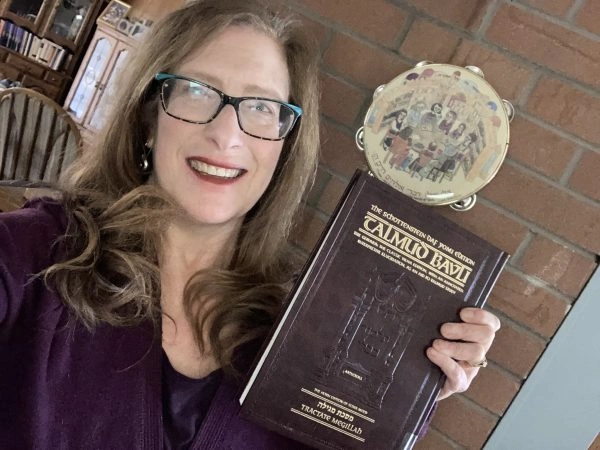
As Jewish educator and as a woman, I’m mindful that Talmud has been kept from women for many centuries. Now that we are privileged to learn, and learning is so accessible, it’s my intent to complete Daf Yomi. I am so excited to keep learning with my Hadran community.
Denver, United States
In January 2020, my teaching partner at IDC suggested we do daf yomi. Thanks to her challenge, I started learning daily from Rabbanit Michelle. It’s a joy to be part of the Hadran community. (It’s also a tikkun: in 7th grade, my best friend and I tied for first place in a citywide gemara exam, but we weren’t invited to the celebration because girls weren’t supposed to be learning gemara).

Jerusalem, Israel
Attending the Siyyum in Jerusalem 26 months ago inspired me to become part of this community of learners. So many aspects of Jewish life have been illuminated by what we have learned in Seder Moed. My day is not complete without daf Yomi. I am so grateful to Rabbanit Michelle and the Hadran Community.

Newton, United States
I started learning Daf Yomi inspired by תָּפַסְתָּ מְרוּבֶּה לֹא תָּפַסְתָּ, תָּפַסְתָּ מוּעָט תָּפַסְתָּ. I thought I’d start the first page, and then see. I was swept up into the enthusiasm of the Hadran Siyum, and from there the momentum kept building. Rabbanit Michelle’s shiur gives me an anchor, a connection to an incredible virtual community, and an energy to face whatever the day brings.

בית שמש, Israel
I never thought I’d be able to do Daf Yomi till I saw the video of Hadran’s Siyum HaShas. Now, 2 years later, I’m about to participate in Siyum Seder Mo’ed with my Hadran community. It has been an incredible privilege to learn with Rabbanit Michelle and to get to know so many caring, talented and knowledgeable women. I look forward with great anticipation and excitement to learning Seder Nashim.

Karmiel, Israel
Studying has changed my life view on הלכה and יהדות and time. It has taught me bonudaries of the human nature and honesty of our sages in their discourse to try and build a nation of caring people .

Kfar Saba, Israel
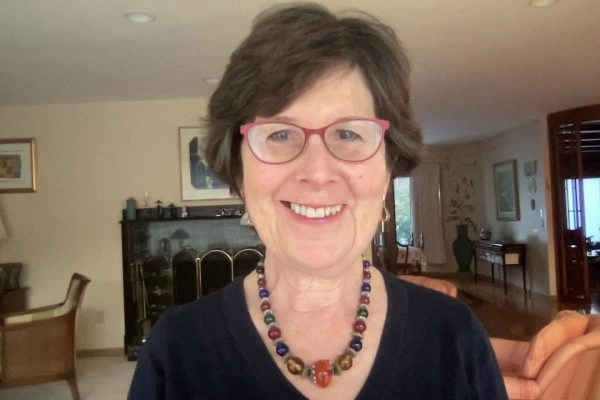
In early 2020, I began the process of a stem cell transplant. The required extreme isolation forced me to leave work and normal life but gave me time to delve into Jewish text study. I did not feel isolated. I began Daf Yomi at the start of this cycle, with family members joining me online from my hospital room. I’ve used my newly granted time to to engage, grow and connect through this learning.
Worcester, United States

Bronx, United States
I started learning Dec 2019 after reading “If all the Seas Were Ink”. I found
Daily daf sessions of Rabbanit Michelle in her house teaching, I then heard about the siyum and a new cycle starting wow I am in! Afternoon here in Sydney, my family and friends know this is my sacred time to hide away to live zoom and learn. Often it’s hard to absorb and relate then a gem shines touching my heart.

Dover Heights, Australia
The first month I learned Daf Yomi by myself in secret, because I wasn’t sure how my husband would react, but after the siyyum on Masechet Brachot I discovered Hadran and now sometimes my husband listens to the daf with me. He and I also learn mishnayot together and are constantly finding connections between the different masechtot.

Silver Spring, Maryland, United States
I have joined the community of daf yomi learners at the start of this cycle. I have studied in different ways – by reading the page, translating the page, attending a local shiur and listening to Rabbanit Farber’s podcasts, depending on circumstances and where I was at the time. The reactions have been positive throughout – with no exception!

Guildford, United Kingdom
I learned daf more off than on 40 years ago. At the beginning of the current cycle, I decided to commit to learning daf regularly. Having Rabanit Michelle available as a learning partner has been amazing. Sometimes I learn with Hadran, sometimes with my husband, and sometimes on my own. It’s been fun to be part of an extended learning community.

Honolulu, Hawaii, United States
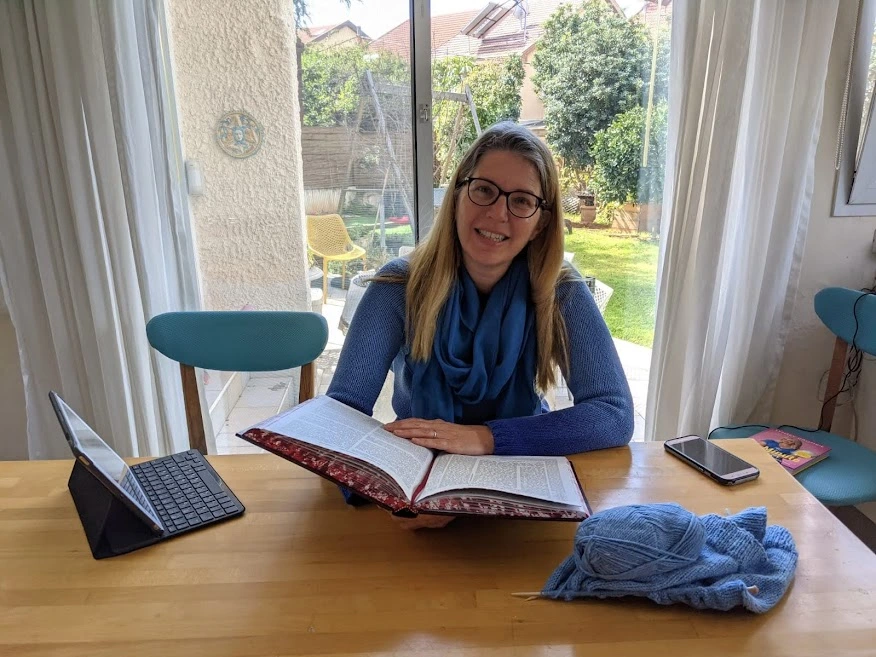
I attended the Siyum so that I could tell my granddaughter that I had been there. Then I decided to listen on Spotify and after the siyum of Brachot, Covid and zoom began. It gave structure to my day. I learn with people from all over the world who are now my friends – yet most of us have never met. I can’t imagine life without it. Thank you Rabbanit Michelle.
Raanana, Israel
When we heard that R. Michelle was starting daf yomi, my 11-year-old suggested that I go. Little did she know that she would lose me every morning from then on. I remember standing at the Farbers’ door, almost too shy to enter. After that first class, I said that I would come the next day but couldn’t commit to more. A decade later, I still look forward to learning from R. Michelle every morning.

Ra’anana, Israel
Last cycle, I listened to parts of various מסכתות. When the הדרן סיום was advertised, I listened to Michelle on נידה. I knew that בע”ה with the next cycle I was in (ב”נ). As I entered the סיום (early), I saw the signs and was overcome with emotion. I was randomly seated in the front row, and I cried many times that night. My choice to learn דף יומי was affirmed. It is one of the best I have made!

אפרת, Israel
A beautiful world of Talmudic sages now fill my daily life with discussion and debate.
bringing alive our traditions and texts that has brought new meaning to my life.
I am a מגילת אסתר reader for women . the words in the Mishna of מסכת megillah 17a
הקורא את המגילה למפרע לא יצא were powerful to me.
I hope to have the zchut to complete the cycle for my 70th birthday.

Jerusalem, Israel
Chullin 61
מָה נֶשֶׁר מְיוּחָד שֶׁאֵין לוֹ אֶצְבַּע יְתֵרָה וְזֶפֶק וְאֵין קוּרְקְבָנוֹ נִקְלָף וְדוֹרֵס וְאוֹכֵל – טָמֵא, אַף כׇּל כַּיּוֹצֵא בּוֹ – טָמֵא. תּוֹרִין שֶׁיֵּשׁ לָהֶן אֶצְבַּע יְתֵרָה וְזֶפֶק וְקוּרְקְבָן נִקְלָף וְאֵין דּוֹרְסִין וְאוֹכְלִין – טְהוֹרִין, אַף כׇּל כַּיּוֹצֵא בָּהֶן – טְהוֹרִין. אָמַר אַבָּיֵי: לֹא נֶאֱמַר פֵּירוּשָׁן מִדִּבְרֵי תוֹרָה אֶלָּא מִדִּבְרֵי סוֹפְרִים.
Just as a nesher is unique in that it has no extra digit or crop, and its gizzard cannot be peeled, and it claws its prey and eats it, and it is non-kosher, so too, all like birds with these four signs are non-kosher. And just as doves and pigeons, which have an extra digit and a crop, and whose gizzard can be peeled, and do not claw their food and eat it, are kosher, as they are fit for sacrifice on the altar (see Leviticus 1:14), so too, all like birds with these four signs are kosher. If so, why does the mishna state that the signs were not stated in the Torah? Abaye said: The mishna means that the explanation of the signs of a kosher bird was not stated in the Torah. Rather, one learns it from the statements of the Sages, i.e., the baraita.
תָּנֵי רַבִּי חִיָּיא: עוֹף הַבָּא בְּסִימָן אֶחָד טָהוֹר, לְפִי שֶׁאֵין דּוֹמֶה לְנֶשֶׁר. נֶשֶׁר דְּלֵית לֵיהּ כְּלָל – הוּא דְּלָא תֵּיכוֹל, הָא אִיכָּא דְּאִית לֵיהּ חַד – תֵּיכוֹל.
Rabbi Ḥiyya teaches: A bird that comes before a person with one sign of a kosher bird, and which is not listed in the Torah as non-kosher, is kosher, since it is unlike a nesher. The verse did not need to state that the nesher is non-kosher, since one could have inferred this from the list of other non-kosher birds. Rather, the verse mentions the nesher specifically to indicate that it is only a bird like a nesher, which has none of the signs of a kosher bird, that you shall not eat. But if there is a bird that has even one of the signs, you may eat it.
וְלֵילַף מִתּוֹרִין: מָה תּוֹרִין דְּאִיכָּא כּוּלְּהוּ אַרְבְּעָה, אַף הָכָא נָמֵי עַד דְּאִיכָּא כּוּלְּהוּ אַרְבְּעָה?
The Gemara asks: But why learn specifically from the case of a nesher? Let one derive the opposite from the case of doves: Just as doves, which the Torah mentions explicitly as kosher, have all four signs, so too here, no other bird is kosher unless it has all four signs.
אִם כֵּן, שְׁאָר עוֹפוֹת טְמֵאִין דִּכְתַב רַחֲמָנָא לְמָה לִי?
The Gemara responds: If it is so that one learns from the case of a dove, why do I need the rest of the non-kosher birds that the Merciful One wrote? Since none of them has all four signs of a kosher bird, their non-kosher status could simply be inferred from the case of a dove. Rather, since the Torah states explicitly that they are non-kosher, it follows that one does not learn from the case of a dove.
וְנֵילַף מִינַּיְיהוּ: מָה הָתָם תְּלָתָא וְלָא אָכְלִינַן, אַף כֹּל תְּלָתָא וְלָא נֵיכוֹל, וְכׇל שֶׁכֵּן תְּרֵי וְחַד?
The Gemara objects: But let us derive instead from them, i.e., the rest of the non-kosher birds, which each have only three signs, the following: Just as there, those birds have three of the signs of a kosher bird mentioned in the mishna, and we still do not eat them, so too, all other birds that have three signs should have the same halakhic status, and we will not eat them. And all the more so should this apply to a bird that has only two signs or one.
אִם כֵּן, עוֹרֵב, דִּכְתַב רַחֲמָנָא, לְמָה לִי? הַשְׁתָּא דְּאִית לֵיהּ תְּלָתָא לָא אָכְלִינַן, דְּאִית לֵיהּ תְּרֵי מִיבַּעְיָא?
The Gemara responds: If so, why do I need the crow that the Merciful One wrote among the non-kosher birds? Now that it is established that we do not eat any bird that has three signs, is it necessary to mention the crow, which has only two? Rather, those birds explicitly listed as non-kosher are prohibited, and all other birds with any number of signs are kosher.
וְלֵילַף מֵעוֹרֵב: מָה הָתָם תְּרֵי לָא, אַף כֹּל תְּרֵי לָא? אִם כֵּן, פֶּרֶס וְעׇזְנִיָּה דִּכְתַב רַחֲמָנָא לְמָה לִי? הַשְׁתָּא דְּאִית לֵיהּ תְּרֵי לָא אָכְלִינַן, דְּאִית לֵיהּ חַד מִיבַּעְיָא!
The Gemara objects: But one should derive instead from a crow: Just as there, a bird with two signs is not kosher, so too any other bird that has only two signs is not kosher. The Gemara responds: If so, why do I need the peres and the ozniyya that the Merciful One wrote among the non-kosher birds? Now that it is established that we do not eat any bird that has two signs, is it necessary to mention these birds, which have only one? Rather, even birds that have only one sign are kosher, save those mentioned explicitly in the Torah as non-kosher.
וְנִיגְמַר מִפֶּרֶס וְעׇזְנִיָּה? אִם כֵּן, נֶשֶׁר דִּכְתַב רַחֲמָנָא לְמָה לִי? הַשְׁתָּא דְּאִית לֵיהּ חַד לָא אָכְלִינַן, דְּלֵית לֵיהּ כְּלָל מִיבַּעְיָא! אֶלָּא נֶשֶׁר דְּלֵית לֵיהּ כְּלָל – הוּא דְּלָא תֵּיכוֹל, הָא דְּאִית לֵיהּ חַד – אֱכוֹל.
The Gemara objects: But let us learn instead from the peres and ozniyya themselves that all other birds with only one sign are non-kosher. The Gemara responds: If so, why do I need the nesher that the Merciful One wrote? Now that it is established that we do not eat any bird that has one sign, is it necessary to mention the nesher, which has none? Rather, the Torah mentions the nesher to indicate that it is a nesher, which has none of the signs of a kosher bird, that you shall not eat. But if you find any bird that has even one of the signs, you may eat it.
וְאֶלָּא, טַעְמָא דִּכְתַב רַחֲמָנָא נֶשֶׁר, הָא לָאו הָכִי הֲוָה אָמֵינָא: לֵילַף מִפֶּרֶס וְעׇזְנִיָּה? הָוֵה לֵיהּ פֶּרֶס וְעׇזְנִיָּה שְׁנֵי כְתוּבִין הַבָּאִין כְּאֶחָד, וּשְׁנֵי כְּתוּבִין הַבָּאִין כְּאֶחָד אֵין מְלַמְּדִין.
The Gemara objects: But if so, the reason for eating birds with even one sign is only that the Merciful One wrote: “Nesher.” One can infer, then, that if not for this, I would say: Derive from the peres and ozniyya that any bird with one sign is non-kosher. But that cannot be, since the peres and ozniyya are two verses that come as one, i.e., that teach the same matter, and as a rule, two verses that come as one do not teach a principle.
גְּמִירִי, דְּאִיכָּא בְּהַאי לֵיכָּא בְּהַאי, וּדְאִיכָּא בְּהַאי לֵיכָּא בְּהַאי.
The Gemara responds: It is learned as a tradition that the sign present in this, the peres, is absent in that, the ozniyya, and that which is present in that is absent in this. Accordingly, this is not a case of two verses that come as one, since each case would teach only that any other bird with only its respective sign is non-kosher. Consequently, it would have been possible to derive from them that any bird with only one sign is non-kosher. The verse therefore states: “Nesher,” to indicate otherwise.
מִכְּדֵי עֶשְׂרִים וְאַרְבָּעָה עוֹפוֹת טְמֵאִים הָווּ, אִי אֶפְשָׁר דְּחַד דְּאִיכָּא בְּהָנָךְ לֵיכָּא בְּהָנֵי, וְהָווּ לְהוּ שְׁנֵי כְּתוּבִים הַבָּאִים כְּאֶחָד.
The Gemara persists: Now, there are twenty-four non-kosher birds mentioned in the verses. It is impossible that the one sign present in these, the peres and ozniyya, respectively, is absent in all those other birds. Consequently, the mentioning of the peres, ozniyya, and the other birds constitutes two verses that come as one. If so, one could not have derived from the cases of the peres and ozniyya that a bird with one sign is not kosher, and the inclusion of the nesher is unnecessary.
גְּמִירִי: עֶשְׂרִים וְאַרְבָּעָה עוֹפוֹת טְמֵאִים הָווּ, וְאַרְבָּעָה סִימָנִין. תְּלָתָא הָדְרִי בְּכוּלְּהוּ, עֶשְׂרִים מֵהֶם שְׁלֹשָׁה שְׁלֹשָׁה, וּתְרֵי בְּעוֹרֵב, חַד בְּפֶרֶס וְחַד בְּעׇזְנִיָּה, דְּאִיתֵיהּ בְּהָא לֵיתֵיהּ בְּהָא. מַהוּ דְּתֵימָא לֵילַיף מִינֵּיהּ – כְּתַב רַחֲמָנָא ״נֶשֶׁר״, נֶשֶׁר דְּלֵית לֵיהּ כְּלָל הוּא דְּלָא תֵּיכוֹל, הָא אִיכָּא דְּאִית לֵיהּ חַד – אֱכוֹל.
The Gemara responds: It is learned as a tradition that there are twenty-four non-kosher birds, and four signs of a kosher bird. The same three signs can be found in all of them, with the exception of either the peres or the ozniyya. Twenty of them have all three signs, and two of those signs can be found in a crow. One sign is found in a peres and one in an ozniyya, and the sign present in this is absent in that, i.e., one of them has the fourth sign, which is absent from the other twenty-three non-kosher birds. Lest you say: Derive from it that any other bird with only that sign is non-kosher, the Merciful One wrote about the nesher to indicate: It is a nesher, which has none of the signs of a kosher bird, that you shall not eat. But if there is any bird that has even one of the signs, you may eat it.
אֶלָּא, תּוֹרִין דִּכְתַב רַחֲמָנָא לְמָה לִי? אָמַר רַב עוּקְבָא בַּר חָמָא: לְקׇרְבָּן. אָמַר רַב נַחְמָן:
The Gemara asks: But if one learns from nesher that a bird with even one sign is kosher, why do I need the doves that the Merciful One wrote are kosher, which have all four? Rav Ukva bar Ḥama said: The dove was not mentioned to teach that it is kosher, but rather to teach that it is the only bird fit to be sacrificed as an offering. Rav Naḥman says:

